Product work in assessment, advertising, voice and market intelligence. Explore the proposed workflows and demonstration interfaces, then confirm which capabilities, deployment options and licence terms are available for your use.
Preview specifications and demonstration interfaces. Features, integrations, security controls and licence options on this page must be confirmed against a tested release before purchase. No production availability or service-level commitment is implied.
The suite.
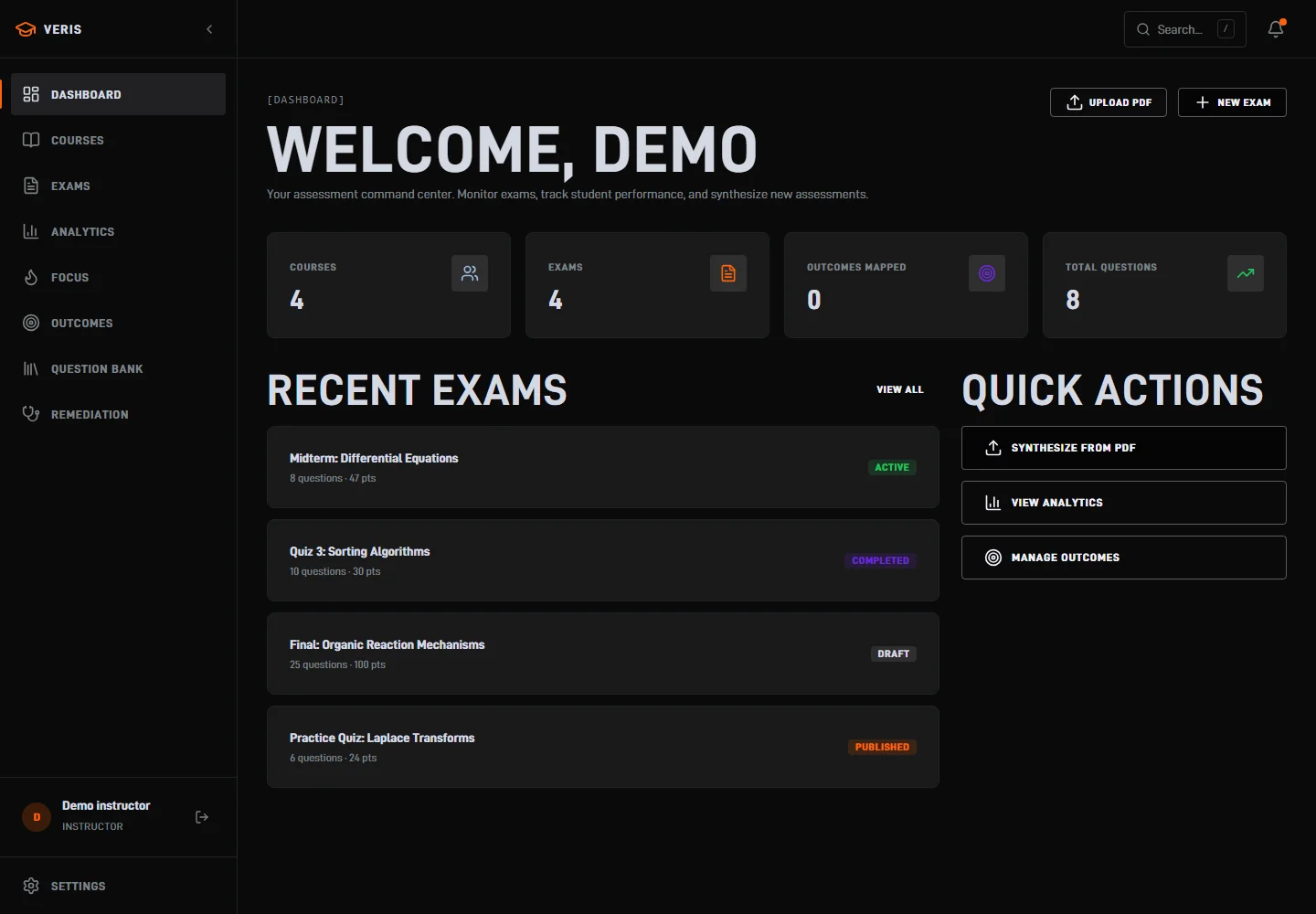
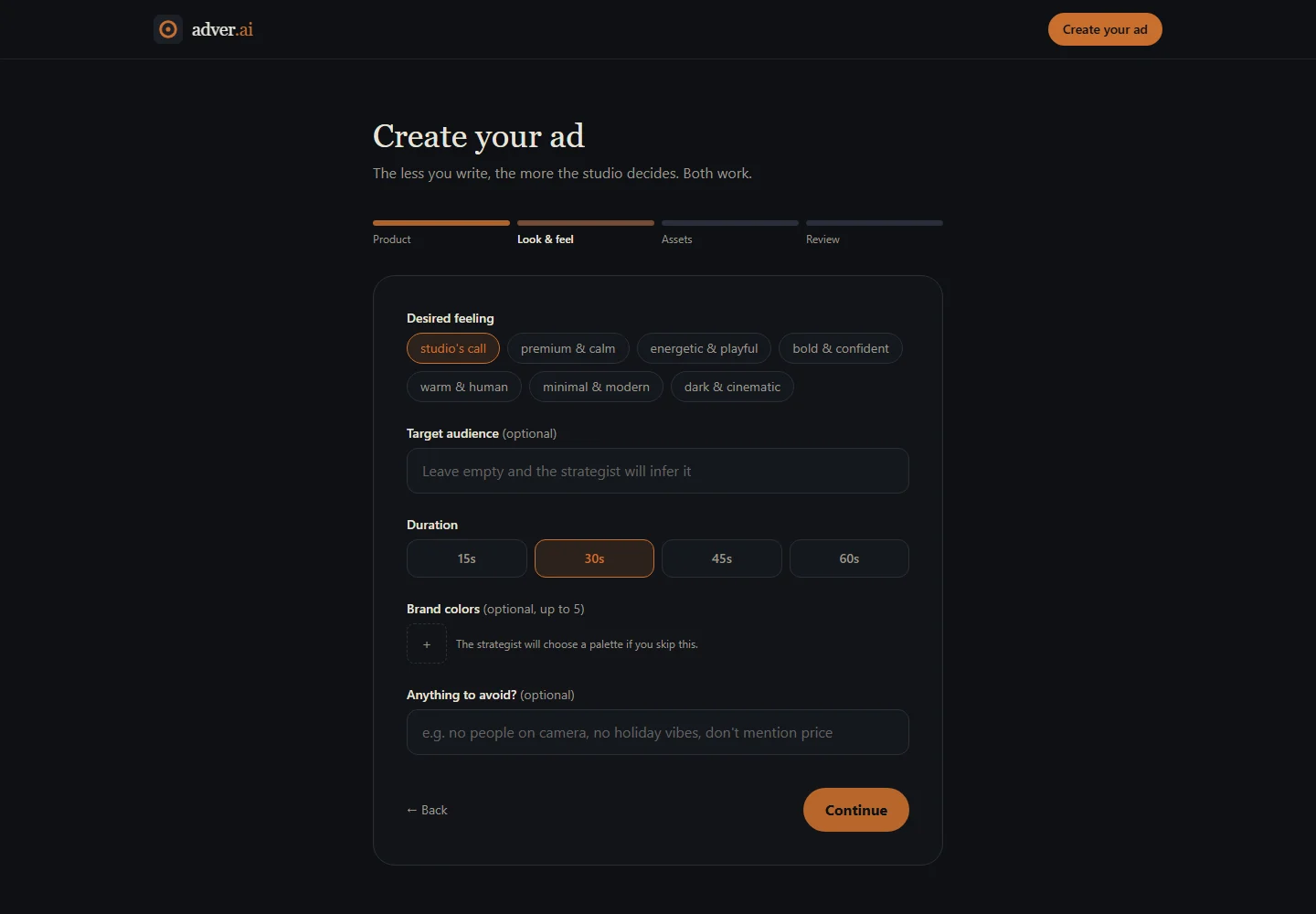
Explore our product work, capabilities and demonstration interfaces. Production access and licence terms are confirmed for each product before use. Screens on this site use demonstration data. They do not document a customer deployment or establish where production data is processed.
Product concept. Availability and licensing require confirmation.
Why a services firm ships products.
The proposed products address assessment, advertising, voice and market research. Before choosing one, ask for a demonstration of the specific workflow and a written account of what the available version supports. Tenant isolation, audit records, hosting options, data exports and support need product-specific evidence. They should be assessed against the intended deployment and the terms offered for that release.
Product work explores workflows that may recur across organisations: preparing an assessment from teaching material, turning an approved brief into advertising assets, routing a caller to a person, or assembling a research brief from recorded sources. These are examples of intended use. Suitability depends on the available implementation, representative test data, the review process and the systems it must connect to.
Product access, supported capabilities and licence terms should be checked against the intended use before a purchase decision.
A procurement review should distinguish a demonstration, a trial and a production service. For a trial, agree permitted data, users, duration, success criteria and removal of test data. For production, confirm accountable operators, support hours, incident handling, backup and recovery, change management and exit. Ask which of these arrangements already exist and which remain part of the proposed work; the interface alone cannot answer that question.
How the products are licensed.
The following are possible commercial arrangements to discuss. Availability varies by product and release. The proposal must identify the licence, permitted users, operator, data locations, usage charges, support and exit terms; the options below do not establish that each arrangement is currently available for every product.
Self-serve
Sign up, pay by subscription, operate it yourself. Available where a product is designed for it, with the standard controls, standard regions and the published terms.
Enterprise licence
A negotiated agreement: single sign-on, your identity provider, a chosen hosting region or your own data plane, a signed data-processing agreement, named support and a service-level schedule. Procurement's questions are answered in the agreement, not in a help page.
Managed by Altuon
The product operated for you as part of an Enterprise engagement — configured, integrated, monitored and improved by the practice that built it, under the engagement's governance.
Controls to verify for the proposed release.
The same controls the Enterprise practices are asked for, built into the suite rather than promised for a later release.
Tenant isolation
Each customer's data is separated at the storage and access layers; no query can cross a tenant boundary, and isolation is part of the release test suite.
Audit trail
Who did what, when, to which record — retained, exportable and readable by your own auditors.
Regional hosting
A hosting region chosen per enterprise agreement — Switzerland, the European Union or the United States — or deployment into your own data plane where the product supports it.
Identity and access
Single sign-on with your identity provider, role-based access, least privilege by default, and administrator actions logged.
Exportable data
Everything you put in and everything the product produces can be exported in open formats. Leaving is a documented procedure, not a negotiation.
Model governance
Where a product uses language or vision models, the model version, its evaluation results and its data-handling terms are documented, and your data is not used to train models for other customers.
Each product exposes its data and its actions through documented interfaces — single sign-on for people, application interfaces and webhooks for systems, exports for everything else — and each is built to sit beside your existing systems of record rather than replace them. Identity comes from your provider, not from a separate set of passwords; events leave the product the moment they happen, so your own systems are never waiting on a nightly file. Where an Enterprise engagement is in place, the practice integrates the product into your landscape as part of the mandate, under the engagement's governance and its data-plane decision.
See the products, or ask for the enterprise terms.
These pages show product previews. Before arranging access, confirm the available release, permitted use, licence, support, hosting locations and processing terms. A demonstration account or interface image does not establish production readiness. Include your intended users, integrations and data requirements in a proposal request so the response can address the relevant constraints.